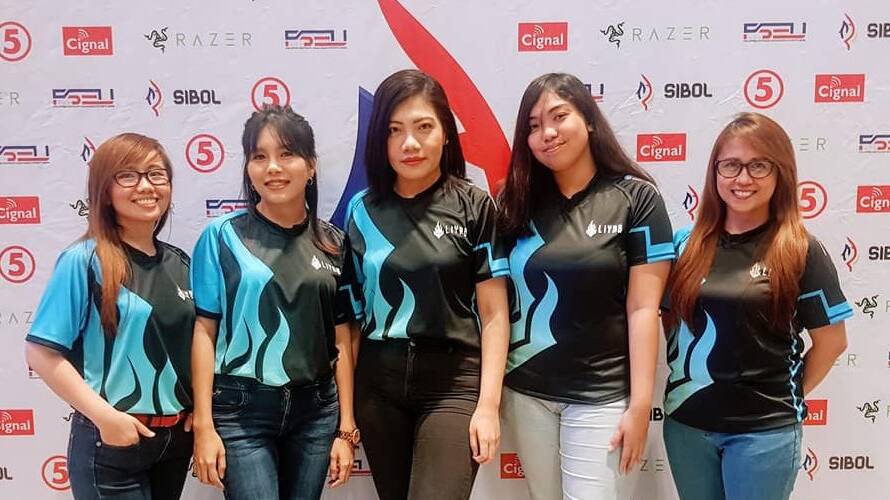
Esports communities have become a fundamental aspect of the gaming industry. As competitive gaming continues to rise in popularity, having a dedicated and engaged community is essential for both players and organizations. In this article, we will explore the key elements required to build a strong esports community and how these elements contribute to long-term growth and success.
1. Engagement: The Foundation of Any Strong Community
One of the most important aspects of a thriving esports community is engagement. Community members should feel connected and actively involved with the events, players, and conversations happening within the space. Engagement can be fostered through:
- Social Media Presence: Platforms like Twitter, Discord, and Reddit provide direct communication channels for community members to interact with players, organizations, and other fans.
- Interactive Content: Live streams, fan Q&A sessions, and interactive polls help engage the audience, making them feel more involved in the community’s activities.
- Community Events: Hosting tournaments, online events, or even meet-ups creates opportunities for fans to participate and build stronger connections with each other.
By creating opportunities for community members to engage, esports organizations can build a loyal fanbase that is emotionally invested in the scene.
2. Support: A Pillar for Community Growth
Support within an esports community comes in many forms. Not only should members support their favorite teams and players, but the community itself should foster a positive and encouraging environment. This can be achieved through:
- Emotional Support: Encouragement, especially after a loss, is critical in maintaining a healthy community. Fans and players alike should be supportive of one another, creating an atmosphere where everyone feels accepted.
- Platform for New Talent: Communities should provide space for aspiring players and creators to share their work, whether it’s gameplay, content creation, or team-building.
- Inclusivity: An inclusive environment that welcomes diverse voices, opinions, and talents will ensure the longevity and growth of the community.
Supporting the growth of individual players and creators is just as important as supporting a team, as it encourages a vibrant ecosystem that benefits everyone.
3. Shared Interests: Uniting the Community Around a Common Goal
At the core of every esports community is a shared interest in the games and tournaments that bring the members together. A strong community will unite people around a common passion, whether it’s a specific esports title, a favorite team, or a shared love for competitive gaming. This shared interest helps in:
- Creating a Sense of Belonging: When community members feel they are part of something larger than themselves, it strengthens the emotional connection to the scene and its participants.
- Promoting Healthy Rivalries: Fans and players alike thrive on competition, and healthy rivalries between teams or players add excitement to the community.
- Collaborating for Success: Shared goals—such as improving a team’s performance or growing a particular game’s esports scene—create opportunities for collaboration and collective achievement.
By focusing on shared passions, esports communities can build a sense of belonging that motivates members to actively participate and invest in the scene.
4. Consistent Content and Communication
Consistency in content creation and communication is a key factor for maintaining community engagement. Communities need regular updates, news, and events to stay active. Esports organizations should ensure they are providing their audience with:
- Timely Updates: Regular updates about upcoming tournaments, player performances, and other relevant news keep the community informed and involved.
- Engaging Content: Behind-the-scenes content, interviews with players, and event highlights can keep fans excited and motivated to interact with the community.
- Clear Communication: Having a transparent and open line of communication fosters trust and loyalty among the community, helping prevent misunderstandings or negative sentiment.
By maintaining consistency in content and communication, esports organizations can ensure that the community remains informed, motivated, and excited for future events.
Strengthening the Community for Long-Term Success
Building a strong esports community requires a strategic approach that prioritizes engagement, support, shared interests, and consistent content. These elements come together to create an environment where fans and players feel connected, valued, and motivated to participate in the esports ecosystem. As esports continues to grow, communities will remain at the heart of this exciting and dynamic industry.