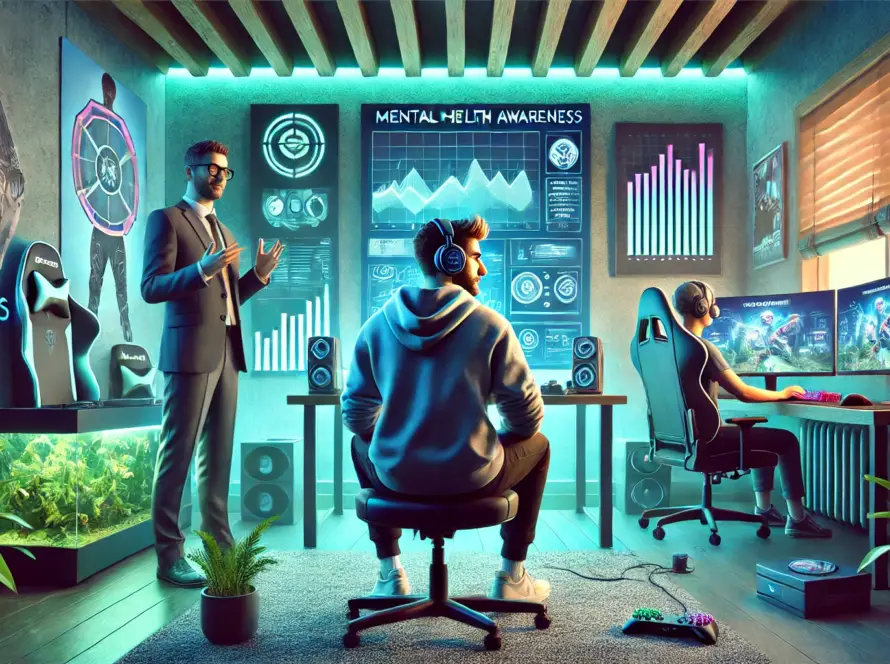
As esports continues to expand globally, conversations around mental health have become increasingly important. Behind the excitement of tournaments and streaming success lies a demanding environment that can impact players, creators, and even casual participants. Recognizing and addressing these challenges is essential for building a sustainable and healthy esports ecosystem.
In recent years, organizations, players, and communities have started to take mental wellbeing more seriously, creating space for open dialogue and meaningful change.
The Pressure of Competitive Gaming
Professional esports players operate in a high-pressure environment. Training schedules can be intense, often requiring long hours of practice, strategy development, and team coordination. The expectation to consistently perform at a high level adds another layer of stress.
Unlike traditional careers, esports players often face public scrutiny in real time. Matches are streamed to global audiences, and performance is immediately discussed across social platforms. This visibility can amplify both success and criticism.
Over time, these pressures can lead to mental fatigue if not properly managed.
Burnout and Its Impact
Burnout has become one of the most discussed topics in esports. It occurs when prolonged stress and overwork lead to physical and emotional exhaustion. In competitive gaming, burnout can affect:
- Performance: Reduced focus and slower reaction times
- Motivation: Loss of interest in training or competition
- Health: Sleep disruption and increased stress levels
Many players have openly shared their experiences with burnout, helping to raise awareness within the community. This transparency has encouraged others to prioritize balance and wellbeing.
The Role of Organizations and Support Systems
Esports organizations are increasingly recognizing their responsibility to support player wellbeing. Providing structured support systems can significantly reduce mental health risks.
Common initiatives include:
- Mental Coaching: Access to professionals who help players manage stress and maintain focus
- Balanced Schedules: Ensuring players have adequate rest and recovery time
- Team Communication: Encouraging open dialogue within teams to address challenges early
These measures not only benefit individual players but also improve overall team performance and stability.
The Influence of Streaming and Content Creation
Beyond competitive play, many esports professionals and creators are active on streaming platforms such as Twitch. While streaming offers opportunities for engagement and income, it also introduces additional pressures.
Maintaining a consistent streaming schedule, interacting with audiences, and managing online presence can be demanding. For some, the need to stay constantly active can blur the line between work and personal time.
Finding a sustainable balance between streaming and personal wellbeing is an ongoing challenge for many creators.
Community Awareness and Changing Attitudes
The esports community has begun to shift its perspective on mental health. Discussions that were once overlooked are now more visible, with players and fans advocating for healthier practices.
Online communities and forums provide spaces where individuals can share experiences and support one another. Educational content on platforms like YouTube also helps raise awareness about mental wellbeing in gaming.
This growing awareness is a positive step toward reducing stigma and encouraging proactive care.
Practical Steps for Maintaining Wellbeing
Whether at a professional or casual level, maintaining mental health requires consistent effort. Some practical strategies include:
- Setting Boundaries: Allocating time for rest and non-gaming activities
- Physical Activity: Incorporating exercise to support overall health
- Mindful Breaks: Taking regular breaks to reduce mental strain
- Seeking Support: Talking to peers, mentors, or professionals when needed
These habits can help create a more balanced approach to gaming and competition.
The Future of Mental Health in Esports
As esports continues to evolve, mental health will remain a critical focus. Organizations are likely to invest more in support systems, while communities will continue to advocate for healthier environments.
Technology may also play a role, with tools designed to monitor performance and wellbeing, helping players identify early signs of stress or fatigue.
By prioritizing mental health, the esports industry can create a more sustainable future where players and communities thrive together.