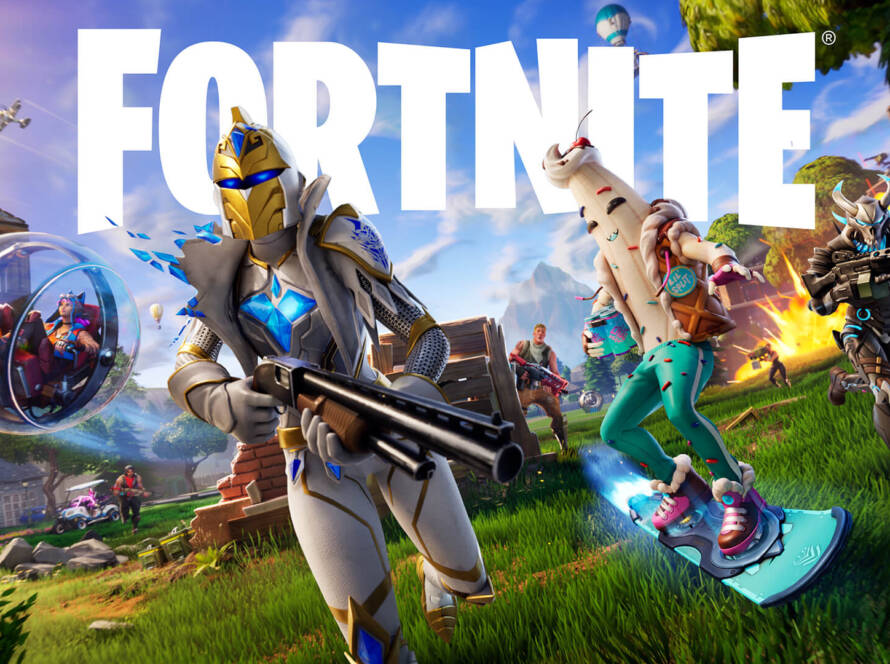
Battle royale games have carved out a unique space in the esports landscape. Known for their large player counts, dynamic gameplay, and unpredictable outcomes, these titles have attracted millions of players and viewers worldwide. While they differ from traditional esports formats, battle royale games continue to evolve, raising questions about their long-term role in competitive gaming.
This analysis explores how battle royale titles are adapting to meet the demands of esports and what the future may hold for this genre.
What Makes Battle Royale Unique
Battle royale games stand apart from other competitive titles due to their scale and structure. Matches typically involve dozens, sometimes hundreds, of players competing simultaneously, with the goal of being the last one standing.
Key characteristics include:
- Large Player Pools: Creating unpredictable and dynamic matches
- Resource Management: Players must gather equipment and adapt to changing conditions
- Survival Mechanics: Strategic positioning and timing are crucial
These elements contribute to an exciting viewing experience but also introduce challenges for competitive consistency.
Challenges in Competitive Structure
One of the main challenges for battle royale esports is creating a fair and balanced competitive structure. Unlike traditional team-based games, battle royale matches involve a higher degree of unpredictability.
Common challenges include:
- Randomness: Loot distribution and starting positions can influence outcomes
- Scoring Systems: Balancing eliminations and placement points
- Match Duration: Managing time while maintaining excitement
To address these issues, tournament organizers have developed formats that combine multiple matches to ensure consistent performance is rewarded.
Evolution of Tournament Formats
Battle royale tournaments have evolved to better suit competitive play. Instead of relying on single-match outcomes, events now use cumulative scoring systems that track performance across several rounds.
These formats typically include:
- Point-Based Systems: Rewarding both eliminations and survival
- Multiple Rounds: Reducing the impact of randomness
- Final Match Conditions: Special rules that add excitement to the conclusion
This approach helps create a more balanced and competitive environment while maintaining the genre’s signature unpredictability.
Spectator Appeal and Entertainment Value
Battle royale games excel in creating engaging viewing experiences. The combination of large-scale action, shifting environments, and high-stakes moments keeps audiences invested.
Streaming platforms such as Twitch and YouTube have played a key role in showcasing these events, allowing fans to follow matches from multiple perspectives.
Features like in-game cameras, player tracking, and live commentary enhance the viewing experience, making it accessible to both new and experienced audiences.
Balancing Skill and Unpredictability
One of the defining aspects of battle royale esports is the balance between skill and unpredictability. While randomness is part of the appeal, competitive integrity requires that skill remains the dominant factor.
Developers and organizers address this balance through:
- Map Design: Creating environments that support strategic play
- Loot Systems: Ensuring fair distribution of resources
- Game Updates: Adjusting mechanics based on feedback
Maintaining this balance is essential for the long-term success of battle royale esports.
The Role of Community and Content Creators
Community engagement is a major driver of success for battle royale games. Content creators and streamers help promote these titles by sharing gameplay, strategies, and highlights.
This content not only attracts new players but also keeps existing audiences engaged. Community-driven events and tournaments further strengthen the connection between players and the game.
The active involvement of the community ensures that battle royale titles remain relevant and continuously evolving.
Technological Advancements and Innovation
Advancements in technology are shaping the future of battle royale esports. Improvements in server performance, graphics, and streaming quality enhance both gameplay and viewing experiences.
Future innovations may include:
- Enhanced spectator tools for better match analysis
- Cross-platform competition for broader participation
- Interactive features that involve viewers in real time
These developments will help address current limitations and expand the possibilities of the genre.
What Lies Ahead for Battle Royale Esports
Battle royale games are likely to remain a significant part of the esports ecosystem. Their ability to deliver high-energy, unpredictable matches makes them appealing to a wide audience.
As developers refine mechanics and tournament formats, the competitive potential of these games will continue to grow. The key will be maintaining a balance between entertainment and competitive integrity.
The future of battle royale esports will be shaped by innovation, community involvement, and the ongoing evolution of gameplay systems.