Esports has transformed dramatically over the past two decades. What was once considered a niche interest among dedicated gamers has evolved into a global cultural movement that influences entertainment, technology, and social interaction. Today, esports is not just about competitive gaming—it represents a lifestyle, a community, and a rapidly growing digital economy.
Understanding this transformation provides valuable insights into where esports is headed and why it continues to attract millions of fans worldwide.
Early Days: A Passion-Driven Subculture
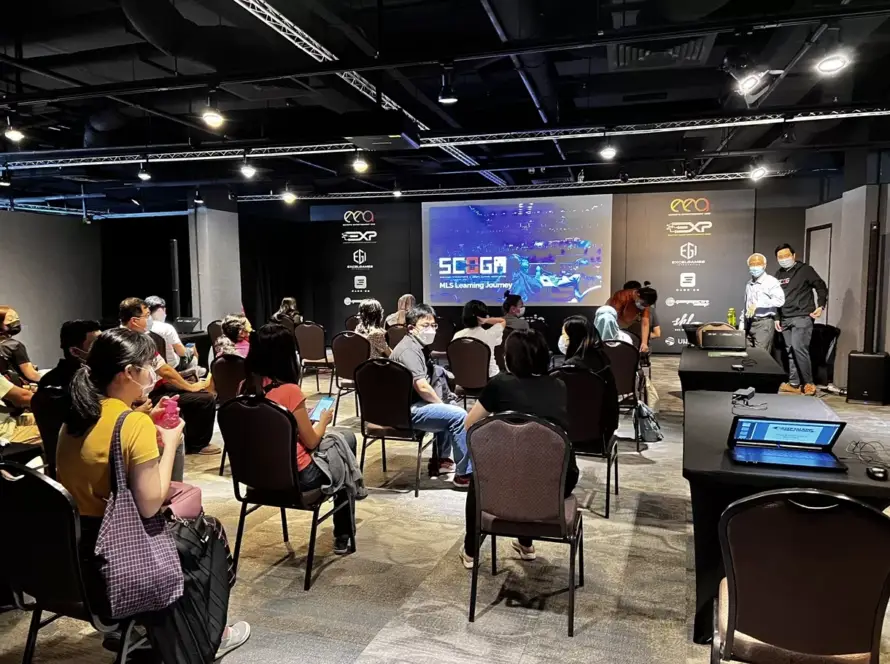
In its early stages, esports culture was built on passion rather than scale. Competitive gaming events were often held in small venues, internet cafes, or community spaces where players gathered to test their skills. These events were driven by grassroots enthusiasm, with little mainstream recognition.
Players formed tight-knit communities, sharing strategies and competing for recognition rather than large financial rewards. Forums and early online platforms played a significant role in connecting players, allowing them to exchange ideas and organize competitions.
This period laid the foundation for the strong sense of community that still defines esports today.
The Rise of Online Connectivity
The expansion of high-speed internet changed everything. Online multiplayer games became more accessible, allowing players from different regions to compete without physical limitations. This shift enabled esports to scale rapidly.
With the rise of platforms like Twitch, spectatorship became a core part of esports culture. Fans could watch matches live, interact with players, and become part of the experience in real time.
This accessibility transformed esports from a participant-only activity into a spectator-driven industry, opening new opportunities for growth.
Mainstream Recognition and Media Integration
As esports gained traction, traditional media and major brands began to take notice. Competitive gaming started appearing in mainstream discussions, with tournaments attracting large audiences both online and offline.
Major events now fill arenas, with production quality comparable to traditional sports broadcasts. Media coverage has expanded, and esports is increasingly featured alongside other forms of entertainment.
This recognition has helped legitimize esports, positioning it as a credible and influential part of modern culture.
The Influence of Content Creators and Streamers
Content creators have played a crucial role in shaping esports culture. Streamers and influencers bring a personal touch to gaming, making it more relatable and accessible to a broader audience.
Through platforms like YouTube, creators produce a wide range of content, including gameplay highlights, tutorials, and commentary. This content helps educate new players while keeping existing fans engaged.
The connection between creators and their audiences has strengthened the community aspect of esports, making it more interactive and inclusive.
Esports as a Lifestyle
Today, esports extends beyond gaming itself. It influences fashion, music, and digital identity. Fans express their passion through merchandise, team support, and participation in online communities.
Gaming setups, streaming culture, and online personalities have become part of everyday life for many enthusiasts. Esports is now deeply integrated into how people socialize, communicate, and spend their leisure time.
This shift reflects the growing importance of digital culture in shaping modern lifestyles.
Global Expansion and Cultural Diversity
One of the most significant aspects of esports growth is its global reach. Players and fans from different regions contribute to a diverse and dynamic ecosystem. This diversity brings unique perspectives, playstyles, and cultural influences into the scene.
International tournaments highlight this diversity, showcasing talent from around the world and fostering cross-cultural connections. Esports has become a platform where global communities come together through a shared passion.
This inclusivity is a key factor in the continued expansion of esports culture.
The Role of Technology in Shaping the Future
Technological advancements continue to drive esports forward. Improvements in hardware, streaming quality, and game design enhance both player performance and viewer experience.
Emerging technologies such as virtual reality and augmented reality have the potential to redefine how esports is experienced. These innovations could create more immersive environments, further blurring the line between physical and digital spaces.
As technology evolves, so too will the ways in which communities interact with esports.
What This Evolution Means for the Industry
The journey of esports from niche to global trend highlights the importance of adaptability and community engagement. Organizations, players, and creators who understand these dynamics are better positioned to succeed in this competitive landscape.
Esports culture will continue to evolve, shaped by new technologies, emerging platforms, and changing audience expectations. Those who actively participate in and contribute to this ecosystem will play a role in defining its future.
As the industry grows, esports will remain a powerful example of how digital communities can transform into global cultural movements.